Electric Motor Repair & Rewinding
Rebuilt to the Highest Specification
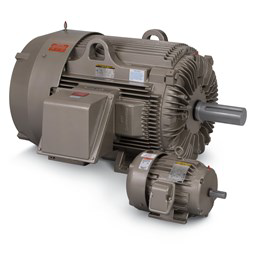
We provide ELECTRIC MOTOR REPAIR and REWIND
Services through
1,500 HP
Our goal is to provide you with the Best Electric Motor Repair Solution possible and
the information you need to manage your Maintenance and Reliability programs.
At Electromechanex we take pride in reliability engineering, isolating the
Root Cause of the Failure and repairing your motor to the highest possible standards and workmanship with the highest standard of reporting in the industry, as our intent is to let you know how to prevent the failure from happening again.
Our comprehensive Electric Motor Service, repairs motors, including Servo Motors, when you need them, performed to state-of-the art standards. Repair Shop and Field Service support capabilities include 24 hour service, 7 days a week, 365 Days a Year.
As an EASA member, we serve as a total solutions provider for electrical and mechanical equipment and systems, with Full Service and Support capabilities. #electricmotorrepair #motorexperts #machining #expectthebest24/7 #keepingindustrymoving
Electric Motors are among the highest reliability incident reports for many companies. This leads to a continual cycle of costly electric motor repair, inconsistent quality and unplanned downtime factors that can hurt your bottom line.
We not only repair and refurbish your motor but to inspect all components to determine why it has failed.
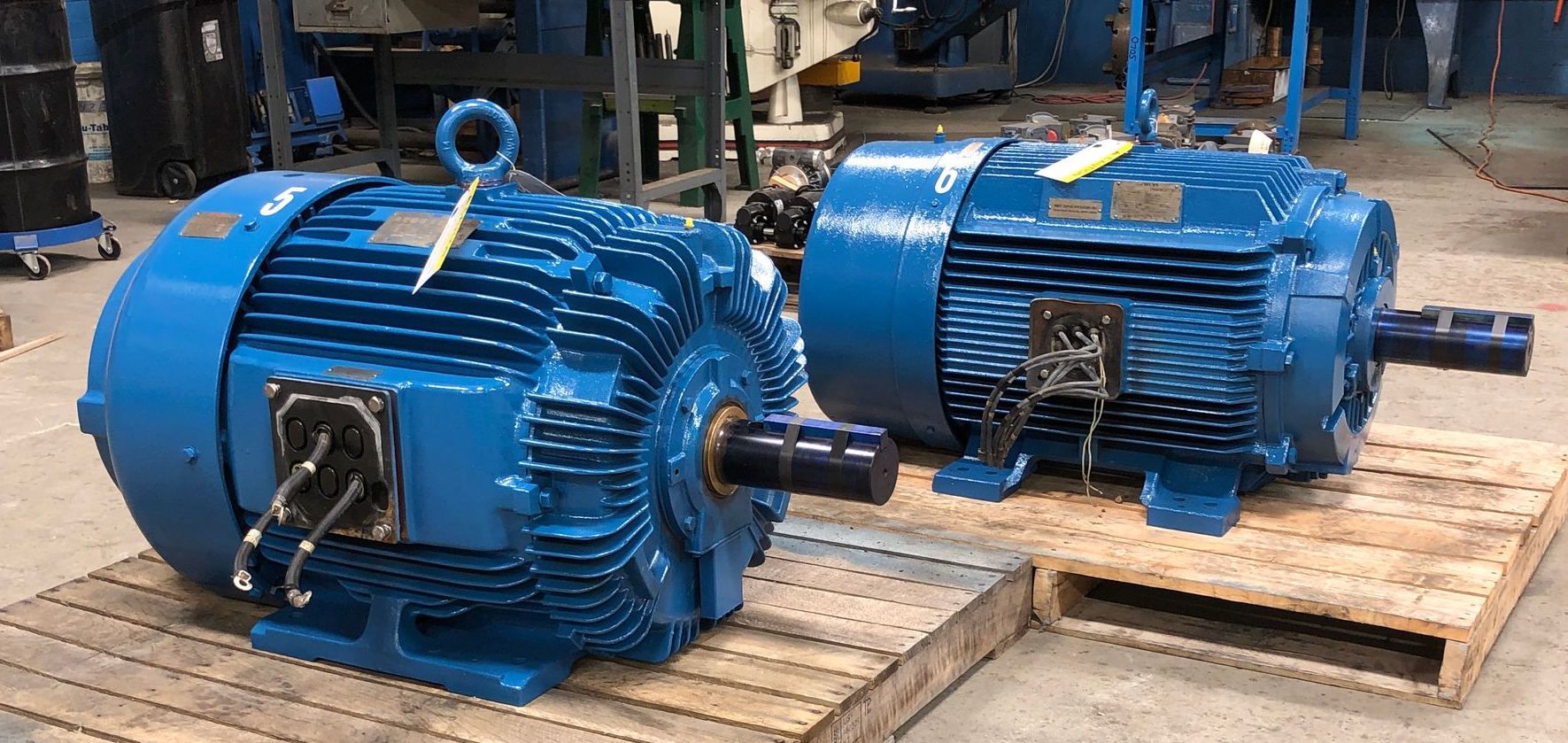
We consistently provide electric motor repairs & refurbishments that are MEET or EXCEED original quality of new motors!
Further to Electric Motor Repair and Rewind, we also repair equipment attached to motors like Pumps, Blowers, Fans, Gearboxes & more, as well as provide Field Service and Predictive Maintenance services including:
Vibration Analysis on motors, bearings and other rotating equipment, Onsite Fan & Blower Balancing and Laser Shaft Alignments, Motor and Pump Installations and monitoring the condition of your unit for reliable long-term operation. Infrared Thermal Inspections of electro-mechanical systems, Winding Testing and Analysis and Automation, Drives & PLC Controls
Repair Service for all types of AC/DC ELECTRIC MOTORS
- Induction Motors
- Synchronous Motors
- Inverter Duty Motors
- Hoist/Crane Motors
- Printing Press Motors
- Explosion-Proof Motors
- Fan & Blower Motors
- Conveyor Motors
- Washdown Duty Motors
- Shaker Duty Motors
- Eddy Current Clutches
- DC Motors
- Wound-Rotor (Slip-Ring) Motors
- Commutator Motors
- Cooling Tower Motors
- Servo Motors
- Spindle Motors
- Specialty Motors
- Vertical Hollow Shaft Pump Motors
- Submersible Pump Motors
- Chemical Processing Motors
- Farm Duty Motors
- Gearmotors
- Single Phase Motors

Our ELECTRIC MOTOR REPAIR Benefits
Complete Motor Inspection and Cleaning
All Bearings packed with BMG Gen 2 Polyurea Motor Grease
Comprehensive Bearing Inspection and New Bearing Installation
Non-Destructive Winding Analysis and Testing
All Rewinds Are Made Using CLASS "H" Insulation And Inverter Duty Wire
Digital Pictures Available For Inspection
Utilize The Best Available Technology In The Repair Of Your Motor
Commissioning Of Your Equipment
Treat Your Motor Problems With Concern
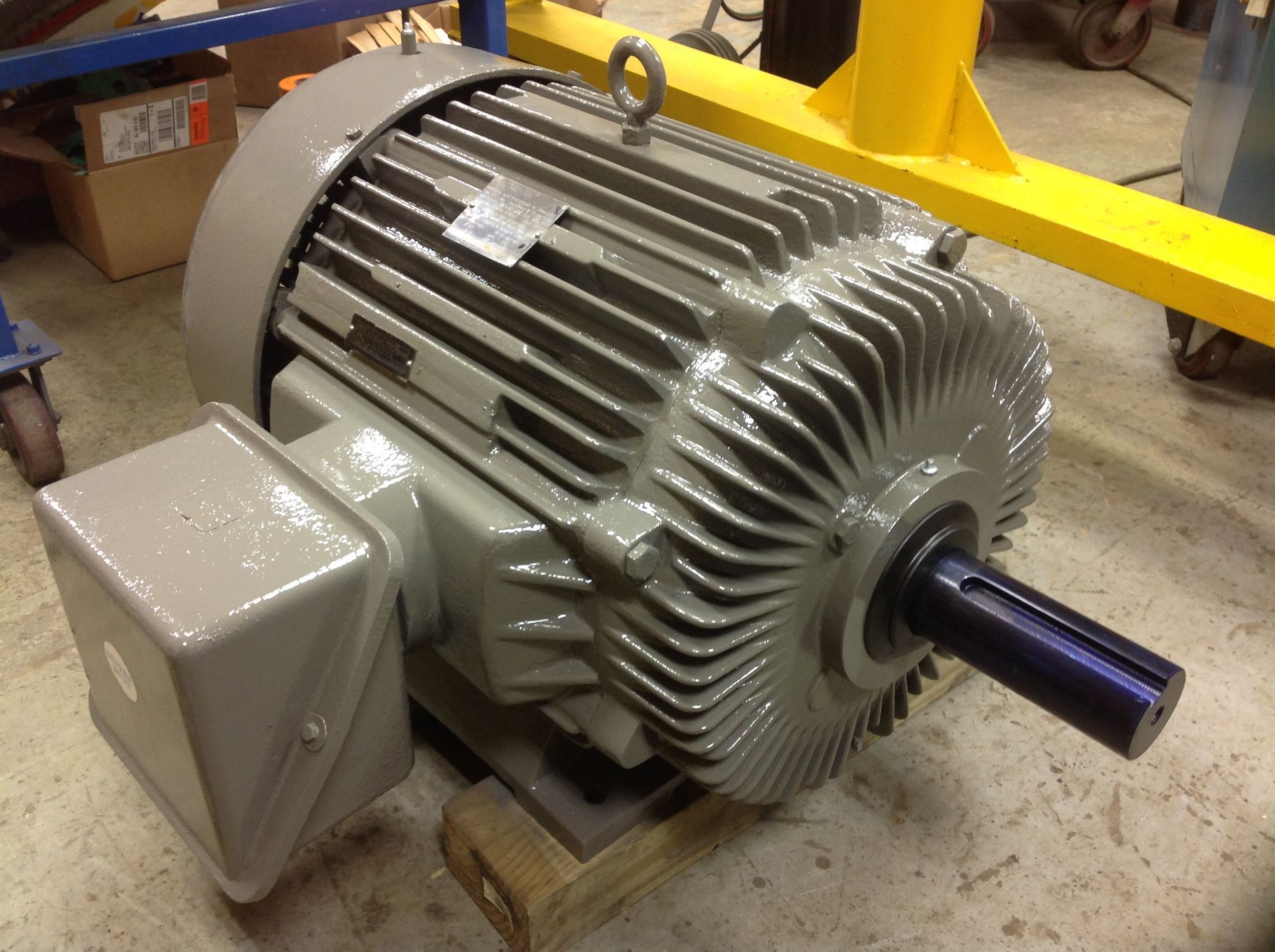
Repair Specifications
Model Repair Specifications
Electromechanex promotes best practice and reliability throughout its business.
Quality steps reinforce our procedures, which are based on IEEE, NEMA, and EASA standards. As an EASA Repair Shop, we ensure each and every repair is to the highest specification technical requirements of ANSI/EASA AR100-2020.
ALL MOTORS ARE ASSEMBLED IN ACCORDANCE WITH THE EQUIPMENT TECHNICAL MANUAL, OUR IN-HOUSE MOTOR REPAIR SPECIFICATION, AND GOOD MACHINE SHOP PRACTICES.
By following these repair specifications, we ensure motors rebuilt in our shop MEET or EXCEED original the quality, by enhancing material and process specifications found on standard industry offering AC Motor Rewind Specification and DC Motor Rewind Specification.
We back this up by covering all rewinds with a full 2-YEAR GUARANTEE.
The intent of the Model Repair Specification is to achieve a consistent, high quality diagnosis, repair and/or overhaul of a motor, and to return it to good operating condition with a minimum of delay and cost. Not all repair situations can be covered in these Model Repair Specifications. In the absence of specific instructions, the requirement shall be to restore the motor to the as-manufactured condition.
AC MOTOR REWIND SPECIFICATION
1.0 Incoming Inspection
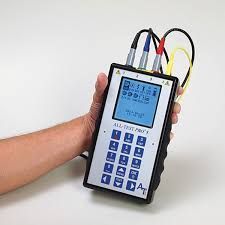
Our Motor Repair Shop performs a thorough appraisal of the motor’s condition, as received, to determine what specific repairs are needed as well as to find unsuspected trouble, perhaps unrelated to the obvious defect. Our technicians diagnose cause and effect to help prevent a recurrence. The motor must be inspected visually for parts that maybe missing and/or damaged. any defects or anomalies. The ALL-TEST PRO 7™ Professional (AT7 Pro) empowers technicians to efficiently and accurately evaluate motors in the field or on the shop floor.
2.0 Initial Motor Test Run
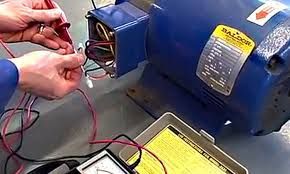
Prior to an incoming run test, we perform the following and record information where appropriate: Motor will be mechanically inspected to determine if shaft turns freely, Verify that bearings are lubricated, Insulation resistance tests are performed. As well as , the continuity of stator windings, condition and installation of brushes, Polarization index (where appropriate). Surge test (where appropriate). If conditions permit, the motor will be run at reduced voltage initially (25-50% of rated voltage). If the “As Received” motor conditions permit, the motor shall be run to 100% speed for these tests.
3.0 Dismantle & Inspection
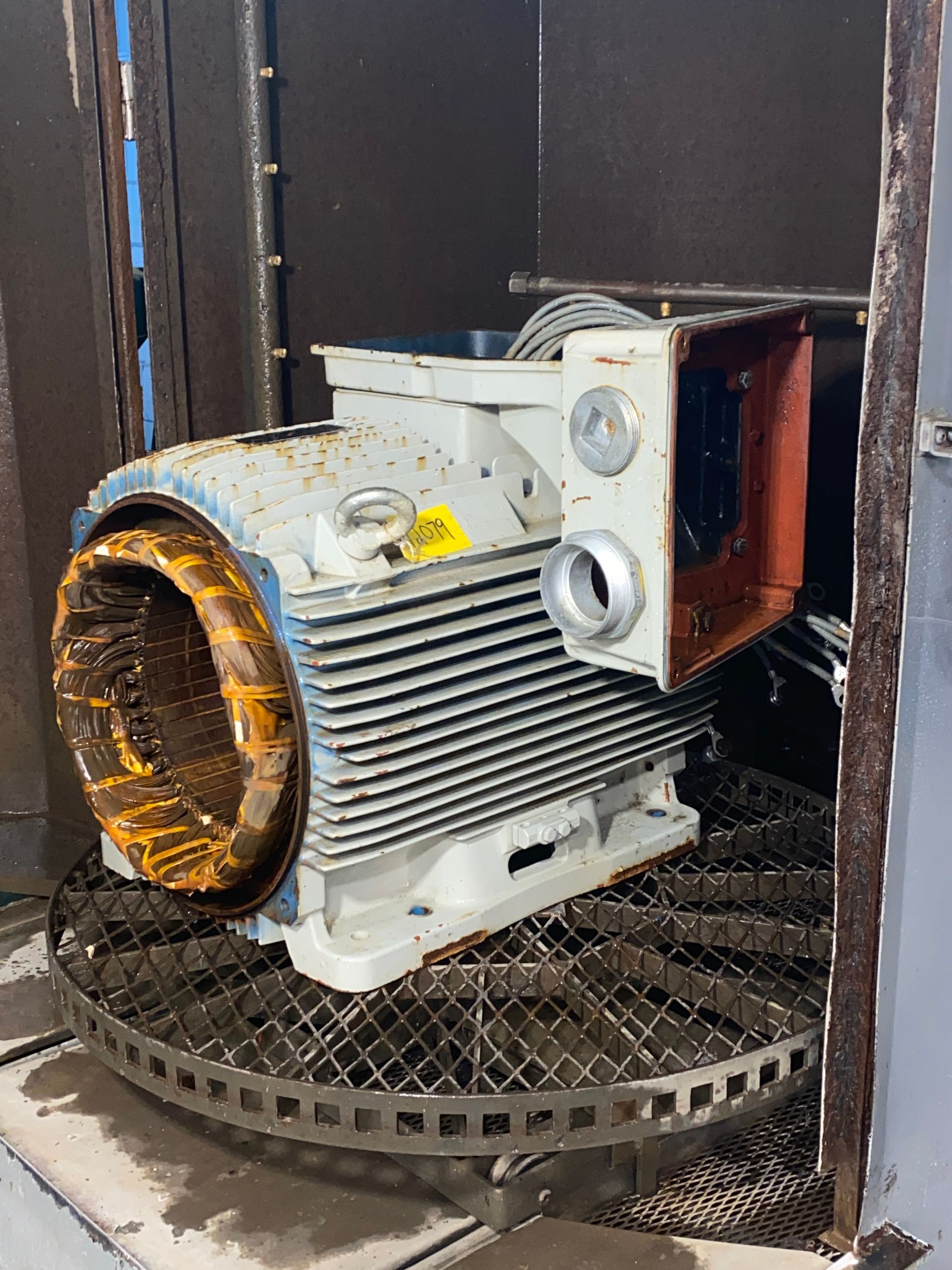
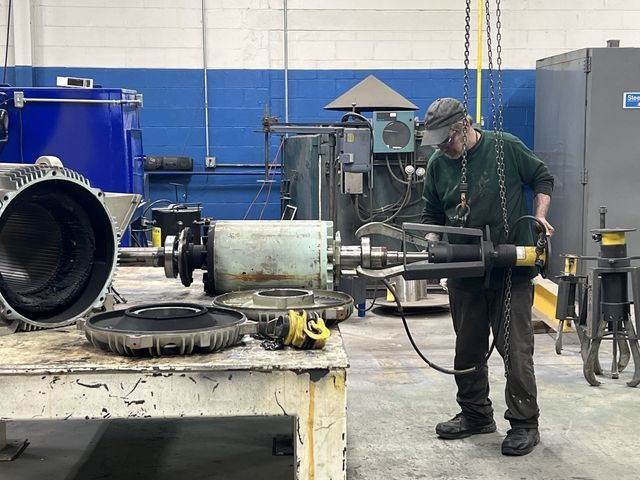
A thorough appraisal of the motor’s condition, as received, is to be performed, to determine what specific repairs are needed as well as to find unsuspected trouble, perhaps unrelated to the obvious defect. Our technicians diagnose cause and effect to help prevent a recurrence. Our appraisal will include a complete review of the following conditions of each part of the motor: General cleanliness, Cracked or broken welds or castings, Missing hardware, Wear or rub marks, including fretting, discoloration, charring, or other evidence of overheating, Looseness at mating fits, Corrosion, moisture, or oil inside the machine.
4.0 Test Stator Windings
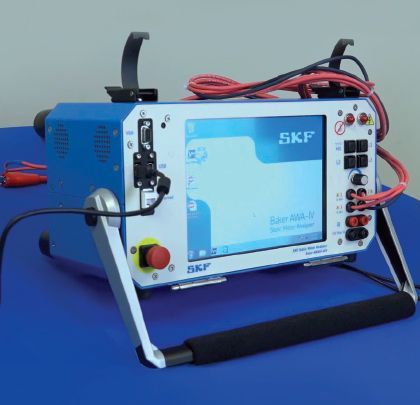
A full test of the winding condition shall be carried out with the motor disassembled. Windings are tested to ensure that there are no grounds, short circuits, open circuits, incorrect connections or high resistance connections. The condition of the windings and the extent of repairs should be determined by inspection and, as necessary, by tests. The Baker AWA 2.2 Advanced Winding Analyzer/Surge Test unit is to be used to carry out the following tests: 2.4.1.1 Winding Resistance and Inductance (Per IEEE 1415)
5.0 Mechanical Inspection
All mechanical parts are to be thoroughly cleaned and inspected for defects, cracks or damage. Visually check rotating components for excessive heating and other abnormalities, as well as an Inspection of condition of rotor, stator windings, baffles etc. Furthermore, measure and record dimensions of the following: Shaft extension, Journal and bearing fits, measure and record bracket fits for housings and bearings, the condition of ball or roller bearing housings. Any damage appraisal of motor components is divided into two categories, electrical and mechanical.
6.0 Stator Rewinding
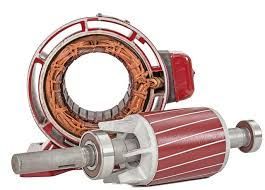
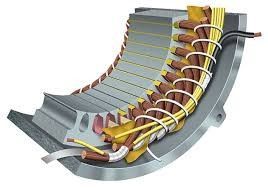
Rewind the stator to a full Class “H” insulation specification. Ensure full slot wedges and full phase separation is included. Slot liners are installed for all motors. Coils are formed from continuous lengths of properly sized and insulated magnet wire (to match nameplate criteria). Insertion of coils in slots is done with extreme care to avoid damage to the insulation or magnet wire. Crossings of magnet wire within the slots should be held to a minimum on random-wound coils.
7.0 Balance Rotor
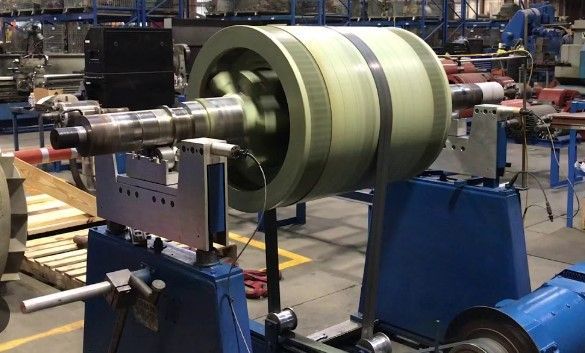
EMX Shop Balancing Systems are designed to perform measurements of vibrations and calculations in horizontal shop balancing machines and in the field. The motor rotor shall be dynamically balanced in a balance stand, if necessary before assembly of the motor. Rotors are supported at the bearing position. Ref EASA AR 100 Dynamic balancing of the rotating element should be to the level specified by the customer. In the absence of a requested level, dynamic balancing to balance quality grade G2.5 (ISO 1940/1) should enable the machine to meet final vibration limits.
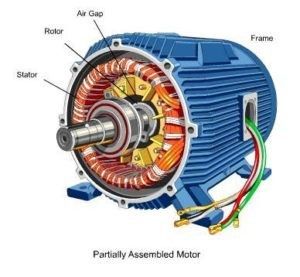
8.0 Assemble Motor
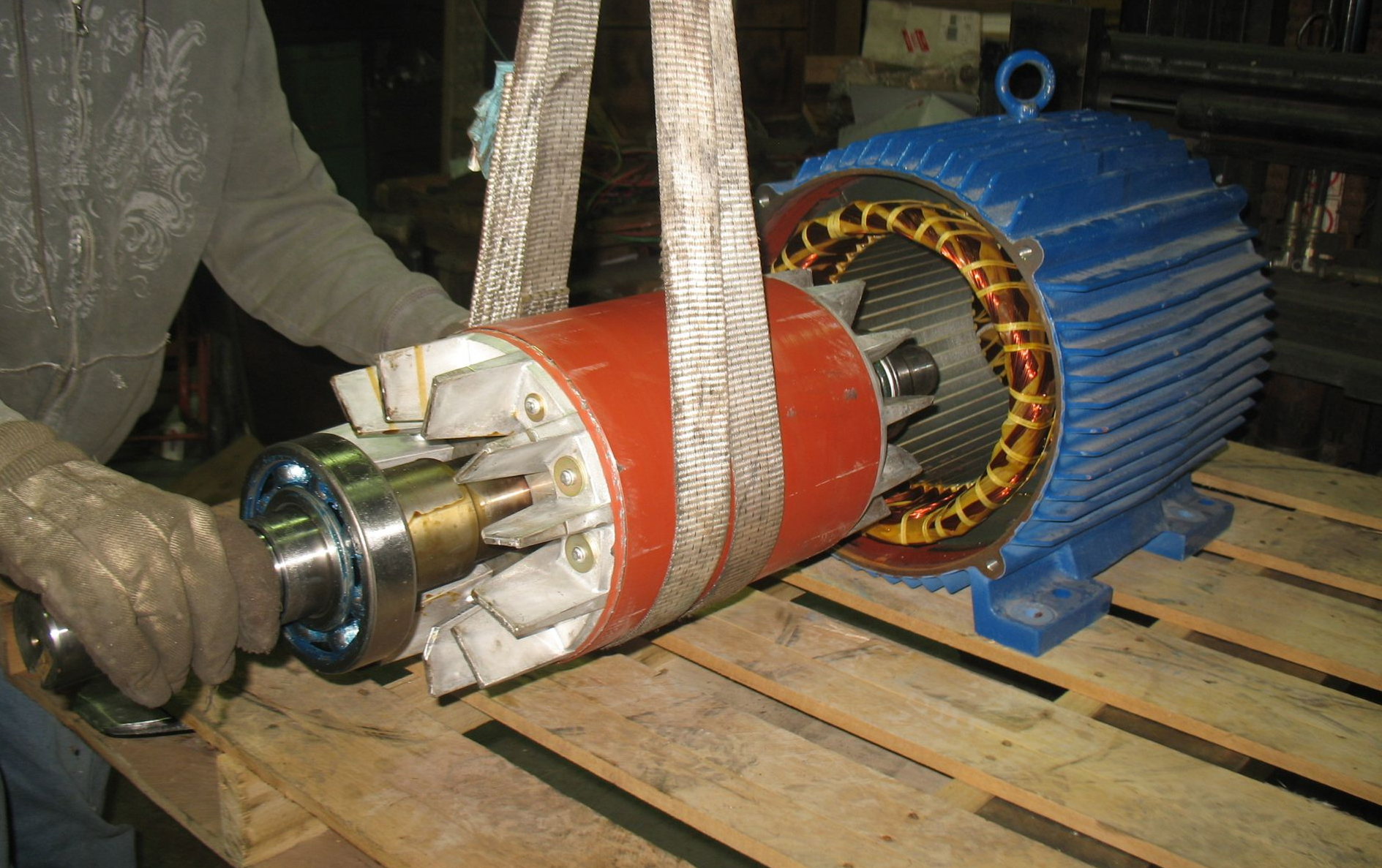
All Electric Motor assemblies are made in accordance with the equipment technical manual and good machine shop practices. All mechanical repairs on shafts, bearing journals, end bells, and other equipment are handled in-house by experienced machinists. Motors will be assembled in a manner that will ensure proper fit and alignment. The assembly of the motor is the reverse of the disassembly process and all match marks shall line up. All assembled components will be checked to ensure secure fits. Bearings packed with BMG Gen 2 Polyurea Motor Grease.
9.0 Final Motor Test
After the insulation tests, the motor shall be run at no load at full terminal voltage, with either a half key or a half coupling, on the shaft. The motor is to be run at nameplate voltage, frequency and speed. Record the no-load current drawn on all phases and document. On squirrel-cage motors, check the current on all connections and check speed of the motor. The current on each phase should be within 10% deviation between any two other phases. A non-load test run will be made on all motors to ensure that all electrical readings do not exceed the Name Plate Data ratings.
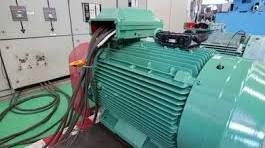
10.0 Paint & Protection
At the completion of the test, the motor shall be painted, unless otherwise requested by the customer, with two coats of EM Machinery Gray paint or Customer preferred paint color or type, application-specific paint, such as Food grade epoxy, IP67 epoxy Marine epoxy. Motor products are cleaned and free of any dirt, oil or grease on the primed surface prior to finish painting. Film thickness: 2 to 4 mils. The shaft shall be protected by either a rust and corrosion preventing coating or mechanical impact cover, and prepared for shipment.
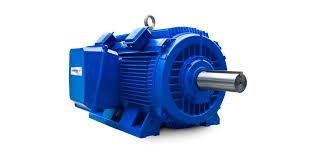
Rewind and Redesign
Rewind and Redesign-2 Year Warranty
PREMIUM MOTOR REWIND FEATURES
2 YEAR Limited Warranty
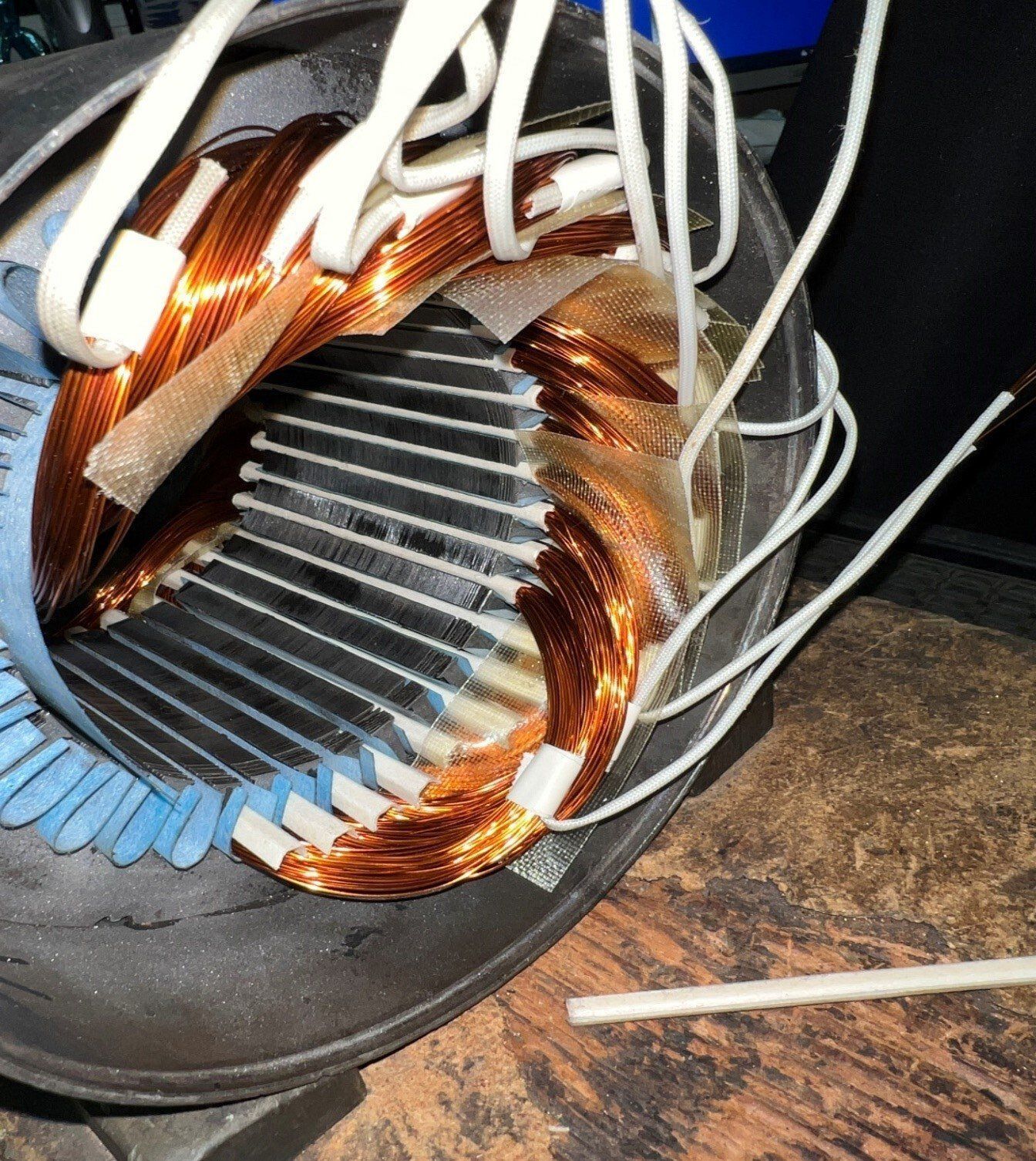
Full Class “H” Insulation
All Stators are rewound to a full Class “H” insulation specification and the number one proven insulation material. We ensure full slot wedges and full phase separation is included. Slot liners are installed for all motors. Coils are formed from continuous lengths of properly sized and insulated magnet wire.
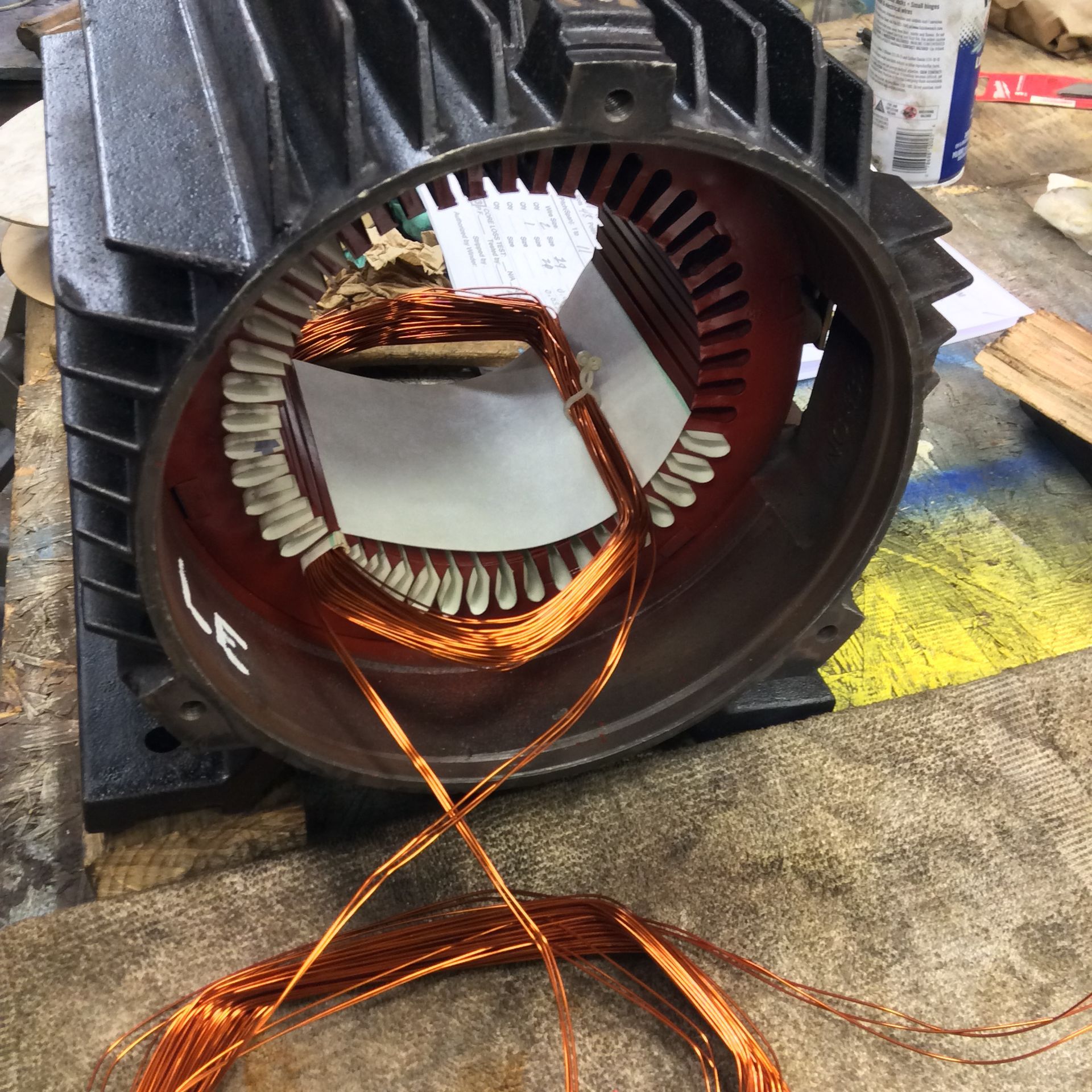
Industry's most advanced copper wire
We use the industry's most advanced copper wire and lead wire. Winding wire to be used is a minimum of Grade 2 heavy-buildenameled copper wire, suitable for inverter duty.
To ensure the motor efficiency is not affected, we rewind the stator winding, where possible, to increase the cross-sectional area of the copper by 3-5%.
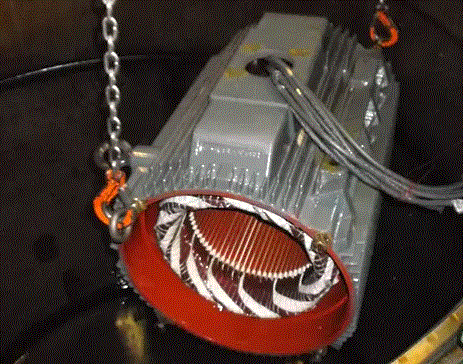
Varnish Method
Impregnation of Windings of rewound machines are preheated;varnish/resin treated and cured using an accepted method of application and a material of sufficient thermal rating to withstand the normal operation of, is compatible with the entire insulation system and is suitable for the environment in which the machine is to operate.

2 YEAR Limited Rewind Warranty
Upon completion, Electromechanex, LLC warrants that the Apparatus has been dismantled, inspected, parts cleaned, all mechanical tolerances brought back to manufacturer’s tolerances (if known) or EASA Recommended Practice, all windings replaced with new windings composed of new insulation and wire, dynamically balanced rotating components, assembled, to include the replacement of rolling element bearings with new, lubricated, tested and painted. Electromechanex, LLC warrants its materials and workmanship of the electrical rewind portion of the job for a period of two years from date of completion and warrants its materials and workmanship for the mechanical recondition portion of the job for one year from date of completion. The foregoing warranties will not apply to defects, occurring within the warranty period, resulting from misuse by customer or by reason of improper installation, application, circuit protection, assembly or repair of the apparatus by others subsequent to the sale or service by the Seller.
*See Terms and Conditions
ELECTRIC MOTOR REDESIGN
ELECTROMECHANEX has performed many successful redesigns for improved and longer lasting motor windings. Use of the EASA AC Motor Verification and Redesign software which provides easy verification of either concentric or lap windings, as well as redesigns with changes in poles/speed, horsepower, frequency or voltage. The redesign report with original and new winding data is verified then printed and saved. The redesign program allows the search of EASA’s extensive motor winding database containing more than 250,000 windings. Original motor designs (manufactured from 1950 to 1980) allow for modifications that can make repairs to your existing electric motor a better choice than buying a replacement. The newer motor designs have improved insulation but typically run somewhat hotter than the older original units do. This higher heat factor is directly related to the smaller motor sizes used today (to replace existing older motors). The main concern is that the newer motor designs might not have the same lifespan as the original units, which makes it worth considering the redesign option.
ELECTRIC MOTOR REDESIGN OFFERINGS
VOLTAGE CHANGES
SPEED CHANGES
HORESPOWER CHANGES
FREQUENCY CHANGES
DESIGN IMPROVEMENTS SUCH AS IMPROVED WIRE INSULATION/CONVERSION TO INVERTER DUTY
IMPROVED INDUCTION ROTOR/WOUND ROTOR DESIGNS
NEW LASER-CUT LAMINATIONS FOR HIGHER QUALITY/EFFICIENCY
Winding Testing
Winding Testing & Analysis
Motor Winding Analysis is an ideal method for detecting winding issues and to monitor the dielectric strength of your winding insulation. This method is a necessary aspect of any electric motor preventative maintenance. This program can be used to troubleshoot or eliminate the motor windings as the source of a failure. It can also be used as a trending tool so we can monitor the dielectric strength of your winding insulation over a period of time. With motor winding analysis, our skilled technicians can discover early-stage problems inside electrical equipment before they become more substantial. This early detection method allows us to perform the appropriate repairs during planned downtime; in addition to reducing repair costs during unscheduled shutdowns, motor winding analysis can lessen costs associated with catastrophic component failure. Motor winding analysis is a form of non-destructive testing (NDT) that can be used for motor, transformer, and generator windings.
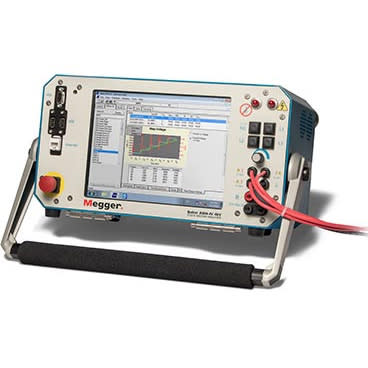
At Electromechanex, we utilize the most state-of-the-art equipment for our motor winding analyses. Motor Winding Analysis (MWA) involves three equally important motor winding insulation tests to establish the condition of your motor winding insulation. This information will help in reducing motor failure that results in costly downtime, lost production, safety hazards and increased maintenance costs.
ALL-TEST PRO 7™ PROFESSIONAL
We can test any motor’s resistance, stator, rotor, contamination and insulation stats all on one device and receive accurate diagnostics within as little as a few minutes.
In addition to the core functionalities of the ALL-TEST PRO 7™, the ALL-TEST PRO 7™ PROFESSIONAL has additional functionalities that test DC Motor types, Traction motors and Transformers, and utilizes route based testing for data trending and analysis.
We provide Testing for:
- Offline testing of AC and DC Motors, Transformers, and Generators
- Testing installation and startup of new motors
- Condition monitoring
- Troubleshooting
Trouble we can Identify:
- Stator Issues
- Rotor Issues
- Ground Faults
- Winding Faults
- Open Connection Issues
- Contamination Issues
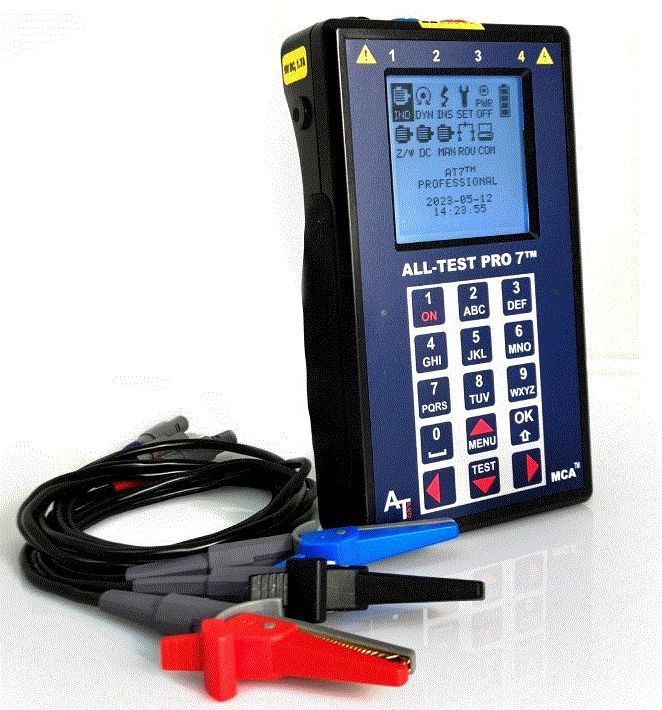
- Off-line testing:, All-Test Pro 7 Professional which uses de-enerized Motor Circuit Analysis (MCA) Testing Instrument
- Off-line testing:, SKF Advanced Winding Analyzer (AWA-IV) which uses DC voltage. Any detected leakage is viewed in micro-amps.
- Off-line testing:, which uses a 1-Minute Megger Test, Hipot Test, and Surge Test.
- On-line testing: which measure amps and voltage per phase and Rotor Bar tests.
If you can’t make it into our shop, don’t worry—our testing equipment can be quickly brought to you in the field
If requesting emergency service, please submit form and call (856)362-4553 to verify availability.
BMG Motor Grease
BMG Gen 2 Polyurea Motor Grease
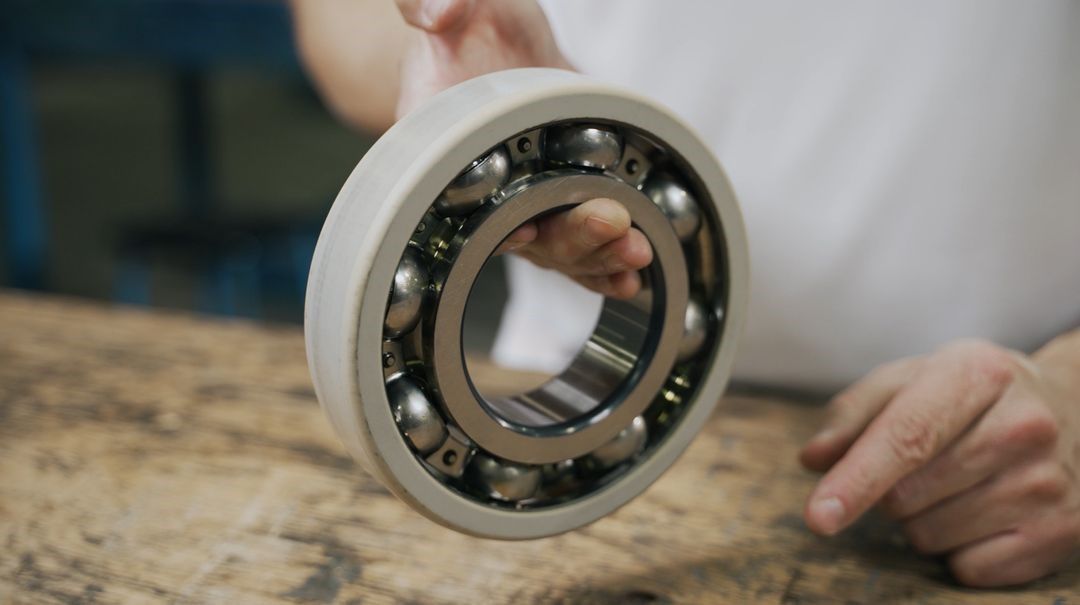
The number one failure point of electric motors are the bearings due to under lubrication, poor performing lubrication or contamination of greases (mixing incompatible greases).
All of our motor bearings are lubricated
BMG Bayview Motor Grease-Synthetic Polyurea Grease-Excellent Longevity, Wide Operating Temp, Extremley Low Seperation
BMG Polyurea Motor Grease is comprised of a fully synthetic PAO base oil and a generation 2 polyurea thickener and it will not start separation until 500°F. Even when evaporated, the remaining solid particle lubricant will be in tact through 1400°F, far superior to the conventional electric motor greases that use a mineral oil base and separate at 380°F.
Further, the generation 2 polyurea thickener is shear stable with nearly every type of grease marketed, which means you can lubricate a bearing with BMG even if it has already had most other types of grease previously installed. All of this allows an extended lubrication window by a minimum factor of 3.5 and up through a factor of 8 versus the top four mass marketed polyurea based greases.
This premiere lubricant was developed by Bayview Bearing & Supply, Egg Harbor City NJ, based on end user input and multiple test trials to create the very best polyurea thickened grease for electric motors.
Root Cause Failure
Root Cause Failure Analysis
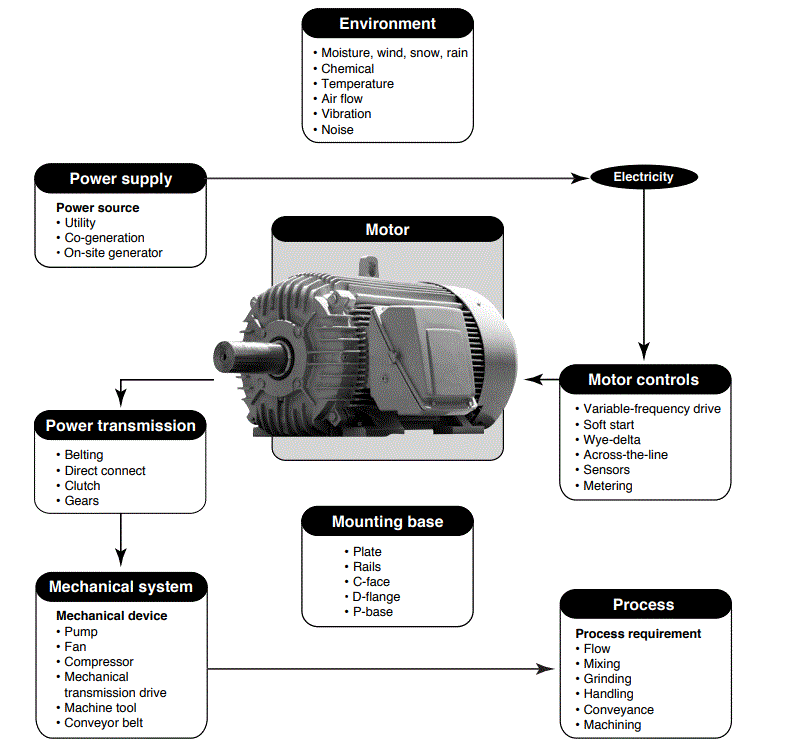
At Electromechanex, LLC we take pride in reliability engineering, isolating the root cause of the failure and repairing your motor to the highest possible standards and workmanship with the highest standard of reporting in the industry, as our intent is to let you know how to prevent the failure from happening again. As an EASA member, we serve as a total solutions provider for electrical and mechanical equipment and systems. A Root cause may be defined as a primary underlying source of undesirable condition that, when corrected, eliminates (or at least mitigates the effects of) recurrence. The goal of root cause failure analysis (RCFA) from our perspective, is to determine the root cause(s) of a failure. But to be effective, RCFA must take place within the context of a practical problem-solving methodology or framework. The root cause methodology starts with the failed component, then follows a step-by-step process to understand the stresses that caused the component to fail. That way your chosen solution doesn’t just treat the symptom. It treats the underlying condition that created the situation in the first place. Root cause failure analysis of motors and motor systems requires familiarity with contributing factors attributable to various kinds of applications, environments and industries, as well with how various stresses can effect motor components and the reciprocal impact the motor system may have on the motor.
TYPICAL MOTOR SYSTEM
Specialty Motor Repair
Specialty Motor Repair
SPECIALTY MOTOR REPAIR
EMX Industrial Services can repair & recondition custom or specialty motor product, uncommon to standard motor manufacturing companies.
We also provide in-house electric motor modification and customization, when there is a requirement for something different than a standard catalog motor. Our specialty work includes OEM Motors, Spindle Motors, Single Phase Motors, AC/DC Servo Motors, Motor/brake and Motor/pump combinations, Instant Reversal Speed Motors, and other special purpose electric motors by manufactures such as Demag, Eaton, Perske, Gusher, Grundfos, CEMP. The complexity of these motors lead customers to believe the motor is beyond repair.
Allow us to perform diagnostic testing for you before a repair or replacement decision is made.
SPECIAL & CUSTOM MOTOR OF THE FOLLOWING DESIGNS
- Machine Tool
- Servo Motors
- Spindle Motors
- Brakemotors
- Crane and Hoist Motors
- Universal Electric motors
- Shunt motors
- Permanent magnet motors
- Flexible Shaft Motors
- Armature and Field Sets
- Agriculture
- Servo Drives
- Router Motors
- Shaker Duty Motors
- Pumping Equipment
- Special purpose electric motors
- Custom Electric Motors
Modification and Customization
Motor Modification and Customization
EMX provides in-house electric motor modification and customization, when there is a requirement for something different than a standard catalog motor. At times, finding the exact match to your motor need can be difficult. We provide service solutions that make it easy. Common requests include shaft grounding brush kit, flange & bearing conversions and adapters, base modification, adding accessory items, etc.
It is often times more cost effective to purchase and modify a new motor to fit your application than it is to rewind the original motor.
Often, greater efficiency and enhanced performance are also gained by replacement.
Mechanical MODIFICATIONS
- Shaft Modification
- Diameter re-sizing: Reduction or increase of diameter.
- Splining, Re-keying, Add Flat
- Threading: Internal & External
- Special features
- Ball to roller or ceramic bearing conversion
- Adding encoders, tachometers
- Precision spec dynamic balancing
- Relocate conduit box
- Seal Upgrades
- Bearing conversions
- Jacking bolts installation
- Add Shaft Grounding Brushes
- Add Bearing Isolators
- Convert to C- Face, D-Flange & Custom Flange sizes
- Convert Motor with Foot to round body motor (steel band shells only)
- Chassis fabrication & modification
- Change Motor Paint Color, Special Environmental Coatings
- F2 conversions
- New base fabrication to modify footprint
- Vertical lifting lugs
- Insulated bearings
- IEC-style terminal blocks
- Ground lug installation
Electrical MODIFICATIONS
- Add winding or space heaters
- Adding PTs, Thermocouple, Bearing thermal & vibration sensors
- Frequency conversion
- Conversion to inverter-duty
- Voltage changes
- Install Terminal Block, Strip or panel in Junction Box
- Add Cord & Plug
- Thermostat installation
- Stator winding RTDs
MOTOR SHAFT GROUNDING SOLUTIONS
PREVENTING BEARING DAMAGE
CAUSES OF BEARING DAMAGE
Variable frequency drives (VFD) used on AC and DC motors produce induced electrical currents on the motor shaft. This current seeks the path of least resistance to ground, which is typically through the motor bearings. When the current passes through the bearings, electrical arcs take place, leading to fluting, pitting, and bearing damage. The fluted or damaged bearing surface causes noise, vibration, and premature bearing failure.
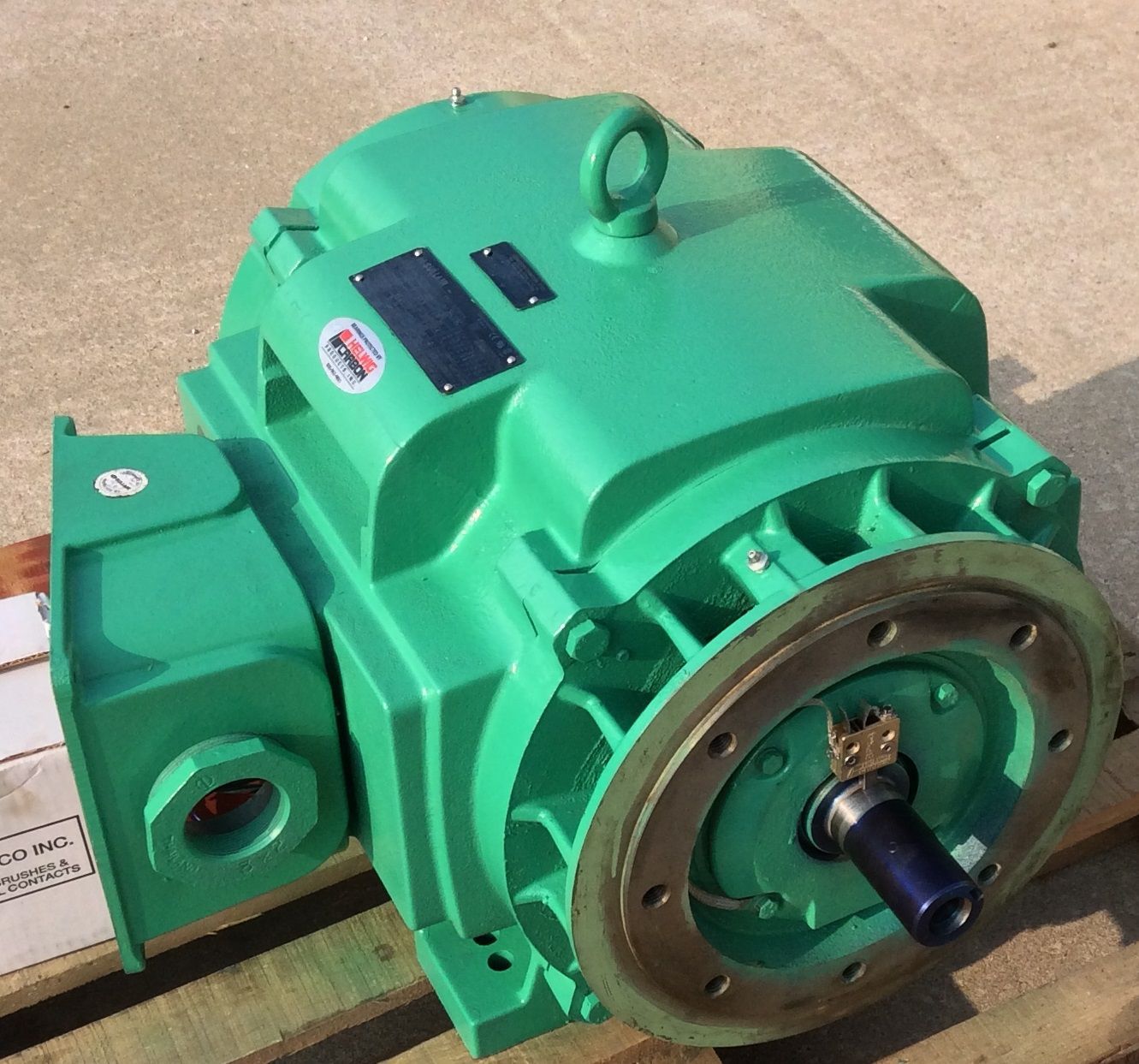
MOTOR REWIND WITH HELWIG BPK™ UPGRADE
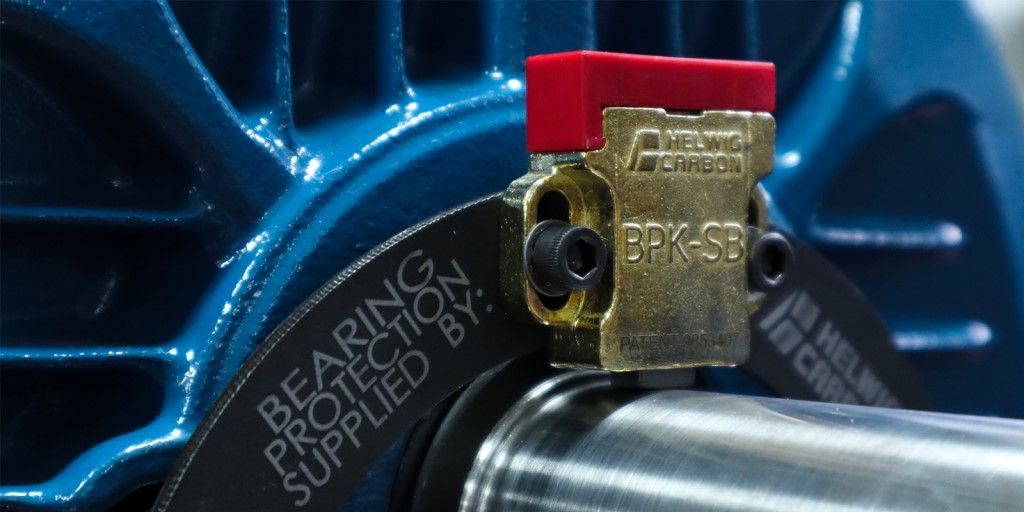
HELWIG CARBON BPK™ SERIES BEARING PROTECTION KIT
PREVENTING BEARING DAMAGE
Premature bearing failure is a major cause of motor downtime and costly repairs. Helwig Carbon uses proven silver graphite brush technology in a variety of bearing protection kits (BPK) for motor shaft grounding. Helwig's shaft grounding systems effectively divert induced electrical currents away from the bearings, protecting them from damage and failure.
DETECTION OF
ELECTRICAL BEARING DAMAGE
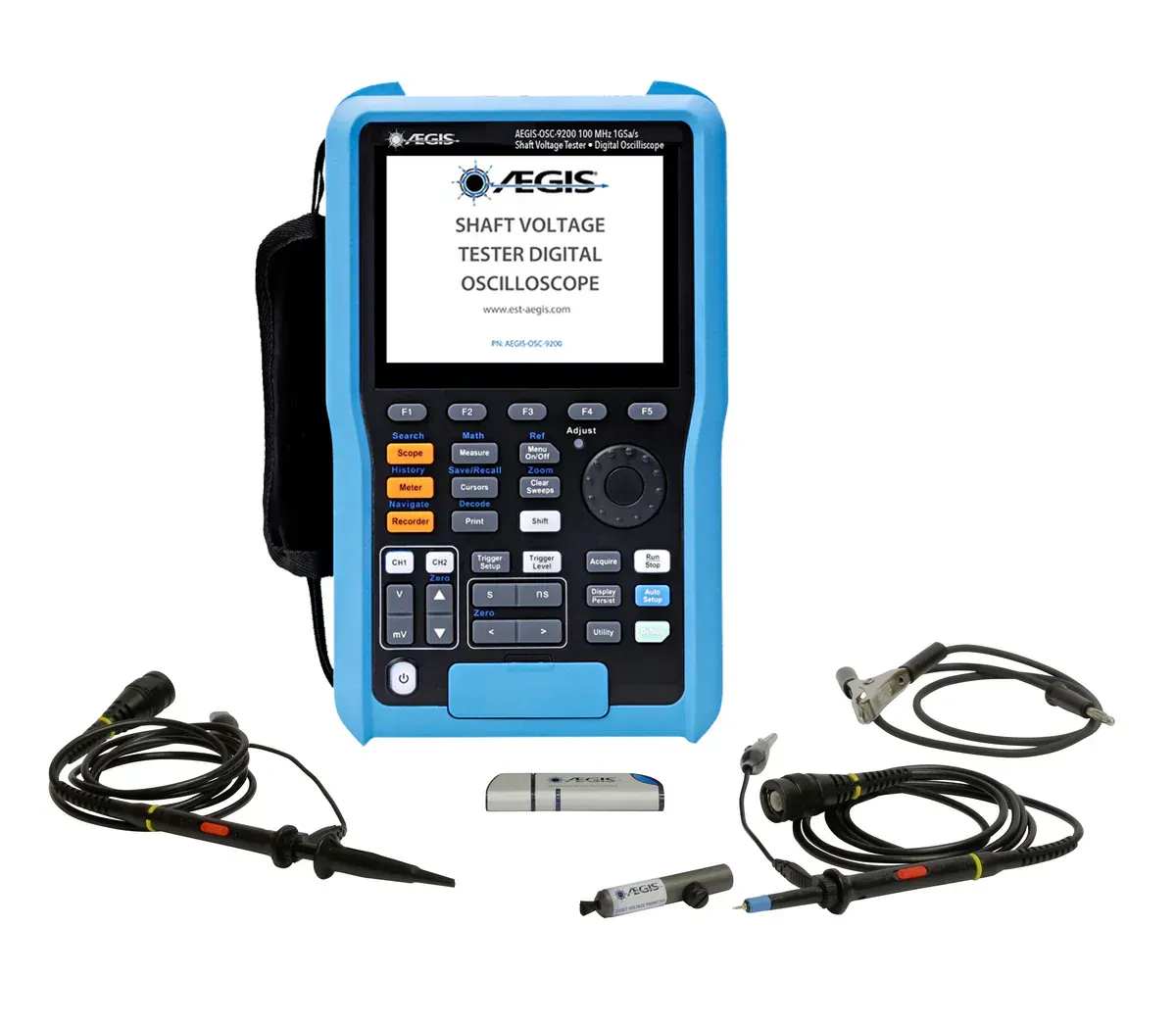
VFD PRODUCED BEARING CURRENTS
Capacitive coupling between windings and rotor can create voltage on a motor's shaft — voltage that can discharge through bearings, producing stray current damaging them and shortening motor life. For motors controlled by VFD's-Variable Frequency Drives, however, this voltage can be as high as 10-40 volts peak. At these higher levels, voltage can easily cause electric electrical discharge in the motor bearings, causing pitting, fusion craters, and fluting, which eventually lead to premature bearing and motor failure.
With the AEGIS® Shaft Voltage Tester™ Digital Oscilloscope, we can take shaft voltage readings from motor shafts quickly and easily. These readings confirm or deny the presence of shaft voltage discharges that can damage motor bearings.
WE PROVICE SUPPORT CAPABILITIES TO BROAD RANGE OF INDUSTRIES
- Electric Power Utilities
- Agriculture
- Chemicals and Chemical Processing
- Glass Manufacturing
- Printing
- Commercial Properties
- Pulp and Paper
- Metals
- Food Processing Industries
- Plastics Manufacturing
- Mining & Earth Moving Operations
- Water and Waste Water (Municipal)